Evolution of sex determination systems and sex chromosomes in Yams

Funded by the Agence Nationale de la Recherche (ANR AAPG 2024), the EvoSexYam project (2024–2029) operates with a budget of €347,623. Coordinated by CIRAD (Dr. Komivi Dossa), it brings together an international, multidisciplinary consortium.

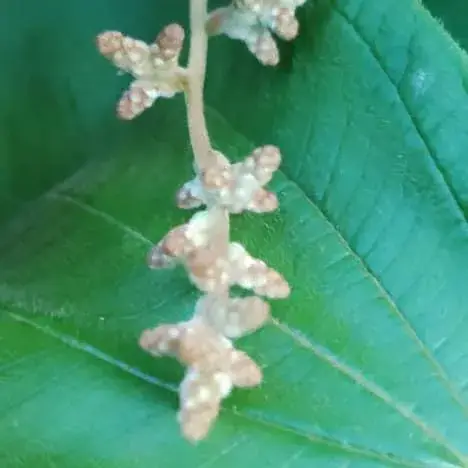
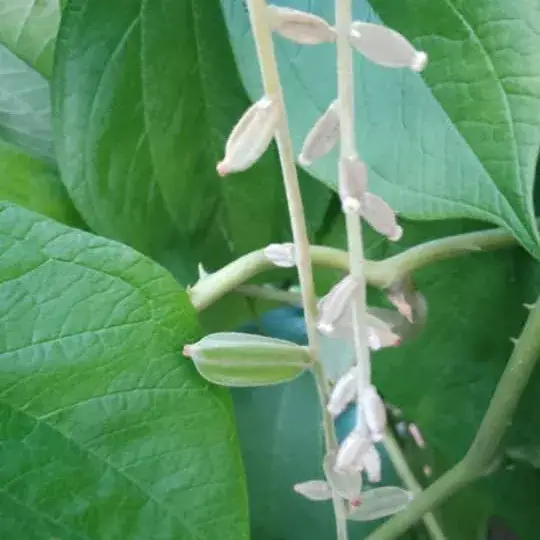
Yams (Dioscorea spp.) are essential staple crops feeding over 500 million people worldwide. However, most species are dioecious (having separate male and female plants), which restricts crossing and slows down genetic improvement.

The project aims to (1) understand the evolution of sex chromosomes and sex-determination systems (XY, ZW, XO) in major yam species (Dioscorea alata, D. rotundata, D. dumetorum, D. esculenta, D. cayenensis, and D. trifida), (2) decode the mechanisms underlying spontaneous sex shifts and monoecy, and (3) develop genomic tools to accelerate the breeding of more productive and resilient cultivars.

Work Packages

WP1

Reference Genome Assemblies

  • Sequencing and assembly of high-quality complete genomes

  • Combined use of long-read technologies (PacBio HiFi, ultra-long Nanopore) and chromosome conformation capture (Hi-C, Pore-C)

WP2

Fine Mapping of Sex-Determining Regions

  • Analysis of large populations in D. alata, D. trifida, D. esculenta, D. cayenensis, D. bulbifera, and D. dumetorum

  • Precise delineation of genomic regions controlling sex and confirmation of sex-determination systems

  • Validation of diagnostic molecular markers (KASP) for marker-assisted selection

WP3

Comparative and Evolutionary Genomics of Sex Chromosomes

  • Study of sex chromosome turnover within the genus Dioscorea

  • Identification of candidate sex-determining genes and analysis of their transcriptomic regulatory networks during floral development

WP4

Functional Validation and Sex Induction

  • Functional characterization of candidate genes using genetic transformation

  • Development of methods to induce the desired sexual phenotype in order to facilitate crosses in breeding programs

Species studied

Sex Determination Systems Diversity

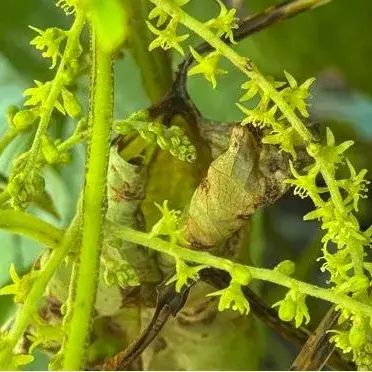
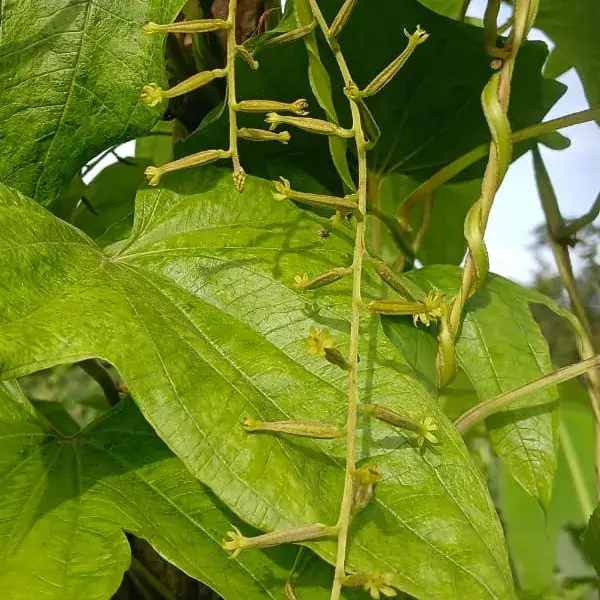
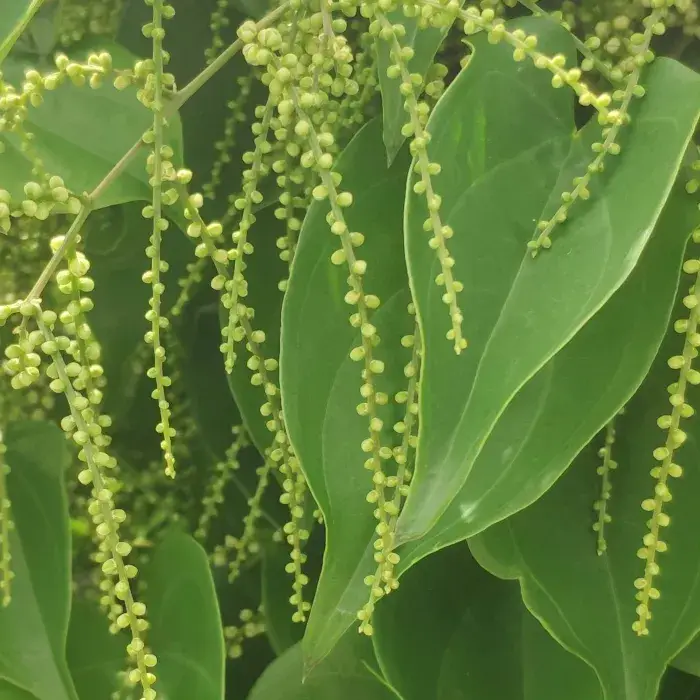
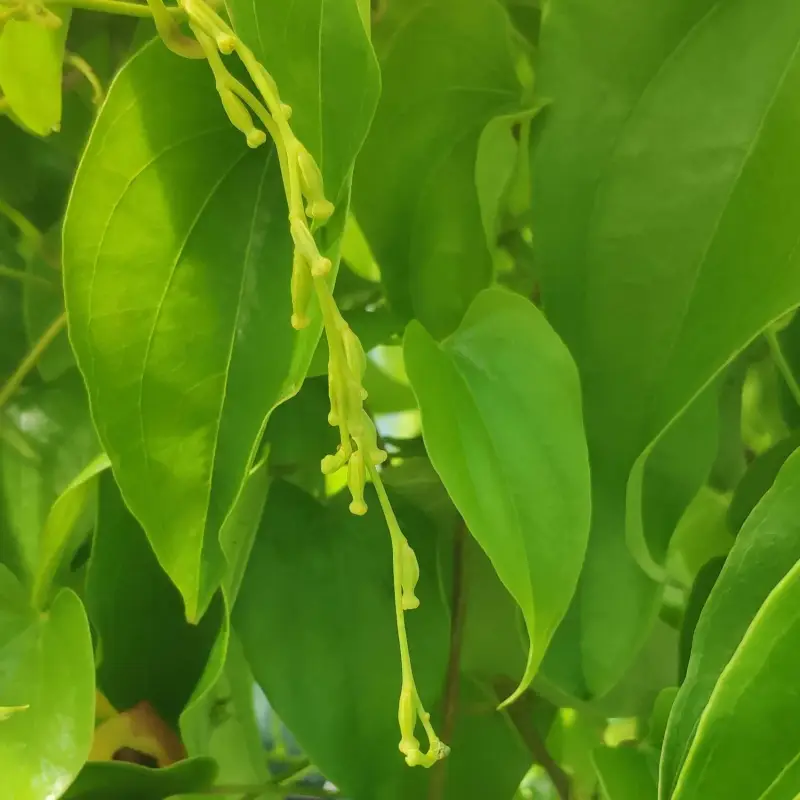
Most cultivated yams are dioecious, bearing separate male and female plants. The genus Dioscorea displays a rare diversity of sex chromosome systems, including XY (D. alata, D. dumetorum, D. bulbifera, D. tokoro, and D. japonica), ZW (D. rotundata and D. deltoidea), and XO (D. reticulata and D. sinuata). This coexistence points to recurrent sex chromosome turnover throughout evolution.

Sex Lability and Monoecy

Spontaneous sex shifts (lability) and monoecious plants bearing both male and female flowers on the same individual have been documented in D. rotundata. The recent discovery of a fertile monoecious hybrid in D. alata demonstrates that this reproductive plasticity extends to other species. Consequently, sex expression appears to be modulated by key regulatory genes, extending beyond strict chromosomal control.

Chromosome Architecture

Genomic studies have identified specific sex-determining regions (SDRs). In D. alata, the SDR is located on chromosome 6 and harbors a major 7-Mb inversion on the Y chromosome that suppresses recombination. These features, characteristic of young sex chromosomes, make yams a prime model for evolutionary biology.


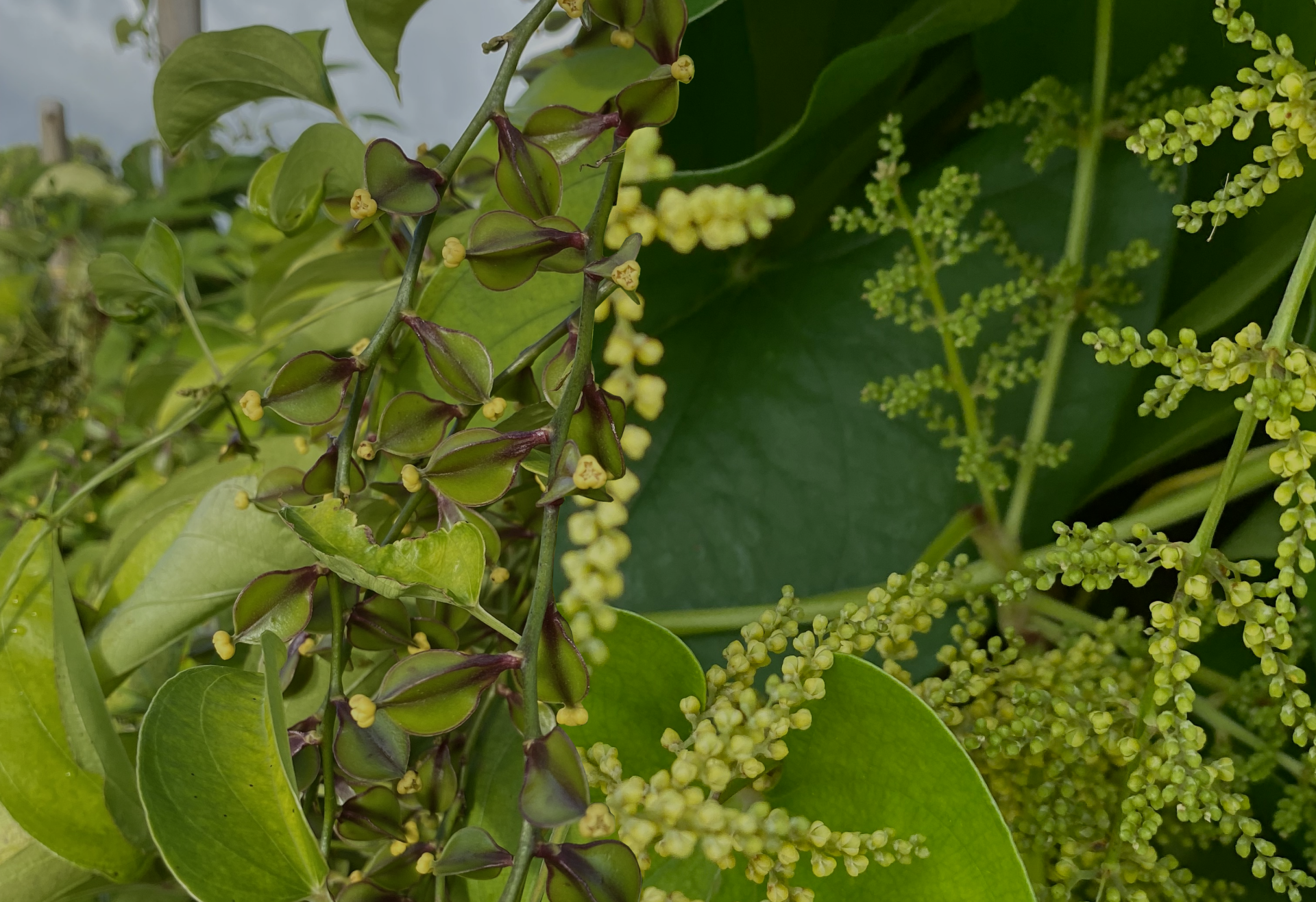
D. alata

♂

♀

Sex chromosome : 6
System : XX / XY

Ref : Dossa et al., 2026


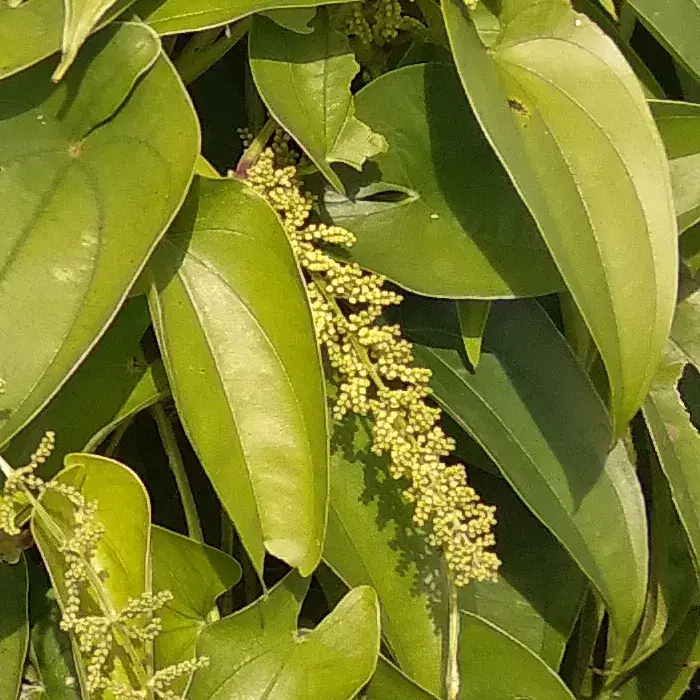
D. bulbifera

♂

♀

Sex chromosome: ND
System : XX / XY


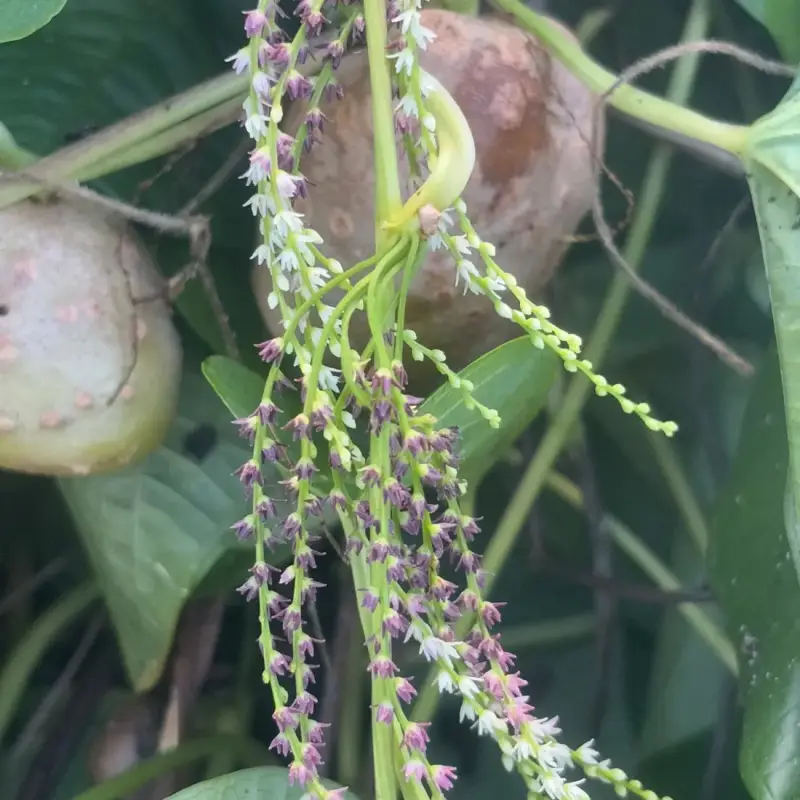
D. trifida

♂

♀

Sex chromosome : ND
System : ND


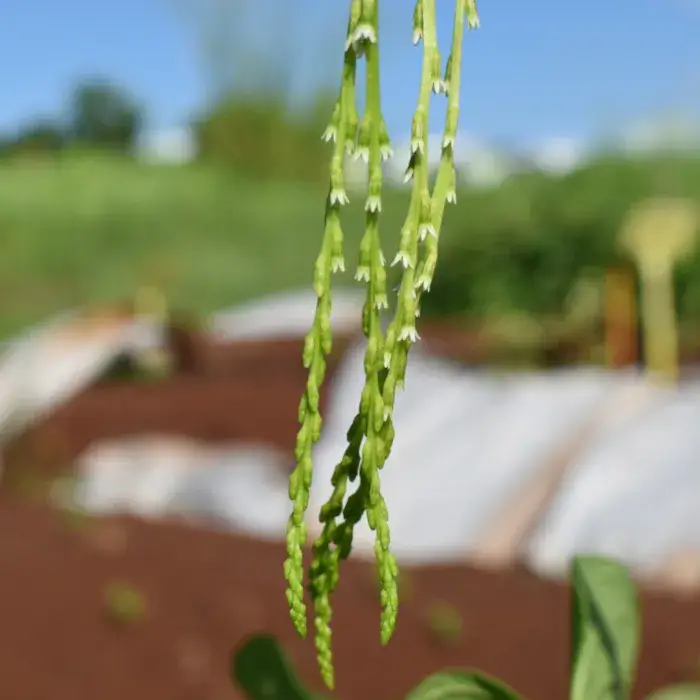
D. esculenta

♂

♀

Sex chromosome : ND
System : ND

Ref : Lebot et al., 2024


D. cayenensis

♂ (uniquement)

Sex chromosome : ND
System : ND


D. rotundata

♂

♀

Sex chromosome : 11
System : ZZ / ZW

Ref : Tamiru et al., 2017


D. dumetorum

♂

♀

Sex chromosome : ND
System : XX / XY

*ND : Not Determined

News and publications

Find here the work associated with EvoSexYam, the publication of our articles in scientific journals, and key highlights from our research network.

Team and Partners

The EvoSexYam project relies on an international network of partners who characterize the sexual phenotype of their yam collections and provide biological material for analysis. This synergy enables the acquisition of key genomic and transcriptomic data to decode the genetics of sex in these species.

Agence Nationale de la Recherche

Centre de coopération Internationale en Recherche Agronomique pour le Développement

Déterminisme et Expression des traits d’Intérêts chez les racines et tubercules

Université des Antilles

Institut National de Recherche pour l'Agriculture, l'Alimentation et l'Environnement

Centre National de Recherche Agronomique

Institut Togolais de Recherche Agronomique

International Institute of Tropical Agriculture

Vanuatu Agricultural Research and Technical Center

Centre des Tubercules Tropicaux du Technopole Nouvelle-Calédonie

Naoroji Godrej Centre for Plant Research

Benagen

Contact the project team

Our location

Cirad, Station de Roujol
97170 Petit-Bourg
Guadeloupe